Sinopsis
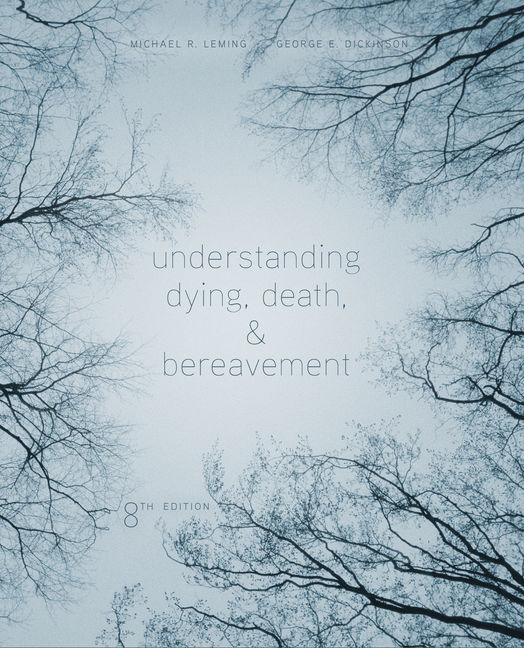
Understanding Dying, Death, and Bereavement by Michael R. Leming and George E. Dickinson is a monumental, socio-psychological resource that serves as an anchoring, informational compass for intellectual bibliotherapy. Rather than leaning into purely sentimental comfort, the book uses an objective, multi-disciplinary framework to pull death out of the shadows of social denial and into the light of academic understanding. By beautifully interweaving raw, personal "Listening to the Voices" narratives with rigid empirical research, it provides readers with a safe, clinical mirror to process their internal anxieties without feeling emotionally overwhelmed. This textbook functions as a powerful therapeutic tool by validating grief as both an intimate, universal human experience and a culturally constructed ritual. Ultimately, it empowers individuals to navigate the complex practicalities of mortality, build profound cross-cultural empathy, and find structural logic within the chaotic emotional landscape of bereavement.
| Nombor Buku | 306.9/LEM |
|---|
| Tempat Terbitan | Stamford, CT |
|---|
| Penerbit | Cengage Learning |
|---|
| Ukuran Tinggi Buku | 9781305094499 |
|---|
Sasaran Biblioterapi
| Bil |
Sasaran |
Bukti Isi Buku |
| 1 |
University students in thanatology, sociology, psychology, and anthropology, alongside professionals in training such as medical staff, nurses, grief counselors, and social workers. |
The textbook features structured chapter summaries, discussion questions, glossaries, and a multi-disciplinary approach designed for higher education. The explicit integration of extensive cross-cultural case studies—such as comparing varying global funeral customs—targets an audience that requires systemic, academic, and professional training in handling mortality. |
| 2 |
Individuals seeking a structured, objective, and cross-cultural framework to make sense of their personal grief or end-of-life planning. |
Every chapter features real-world, first-person accounts from individuals navigating terminal diagnoses, sudden losses, and the mourning process. These segments pull the academic theories down to earth, allowing a personal reader to see their own private grief mirrored and validated in the text. |
Perkembangan Diri
| Bil |
Perkembangan |
Bukti Isi Buku |
| 1 |
Neutralizing Death Anxiety through Cognitive Reframing |
The text systematically deconstructs the societal taboo of mortality by confronting readers with historical, demographic, and biological facts of death. By moving from a state of fearful denial to informed awareness, readers develop a profound psychological tolerance for existential anxiety. This shift allows individuals to approach life and aging with greater clarity and less ambient fear. |
| 2 |
Cultivation of Intercultural Empathy and Loss Competency |
Through its thorough analysis of how different ethnic and religious communities mourn, the book forces readers to look past their own subcultural norms. This cross-cultural immersion expands the reader’s emotional intelligence, enabling them to offer inclusive, respectful, and highly customized support to friends, colleagues, or patients from diverse backgrounds. |
| 3 |
Practical Mastery of Personal Autonomy and Legacy Planning |
The guide walks readers through the practical, legal, and ethical logistics of the dying marketplace—including wills, hospice care, and the funeral industry. By empowering readers with administrative literacy regarding end-of-life decisions, the text fosters individual self-determination. This shift changes the reader from a vulnerable, passive consumer in times of crisis into an intentional architect of their own care and legacy. |